How can we come to know an environment without ceasing to inhabit it?
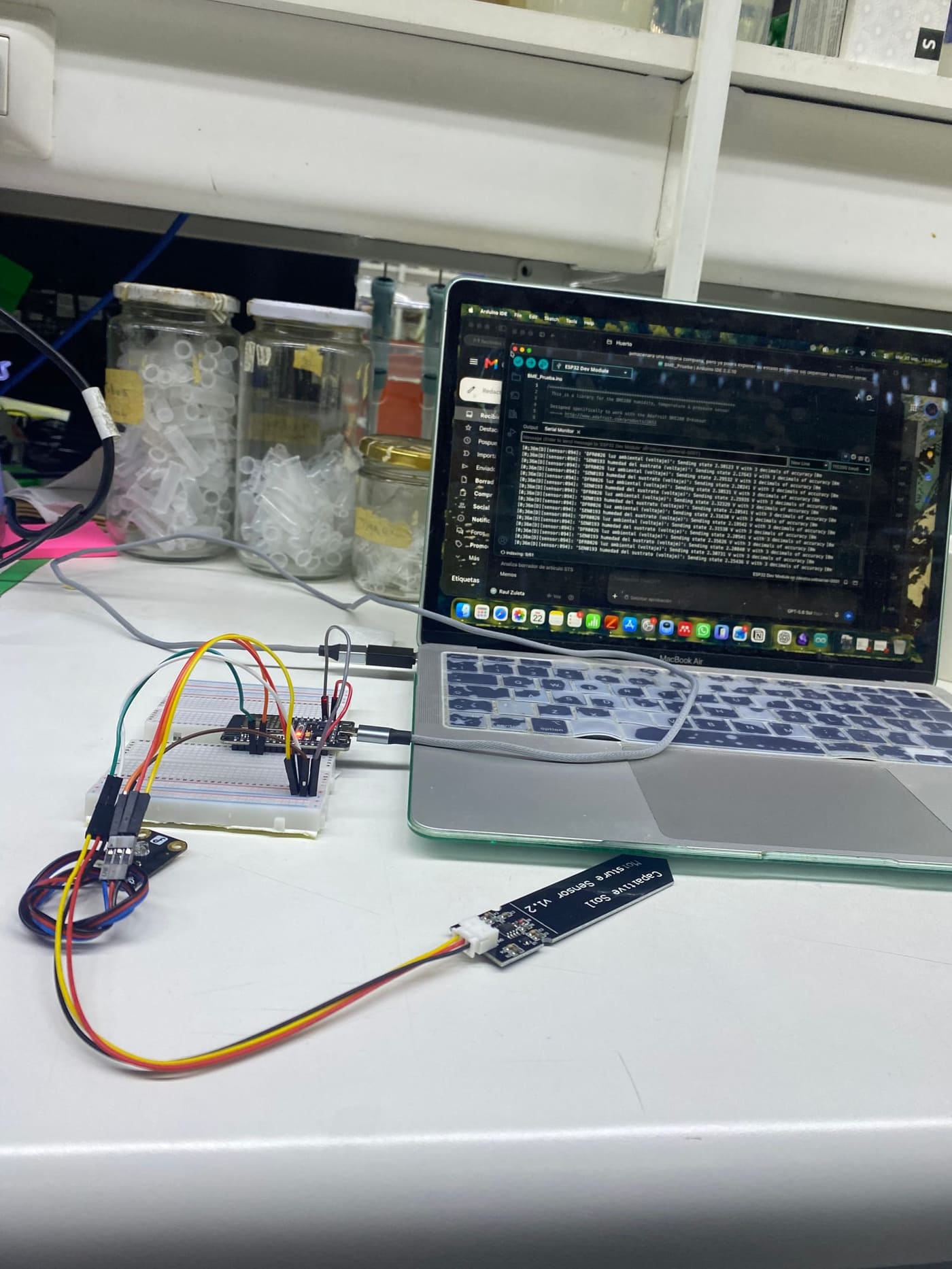
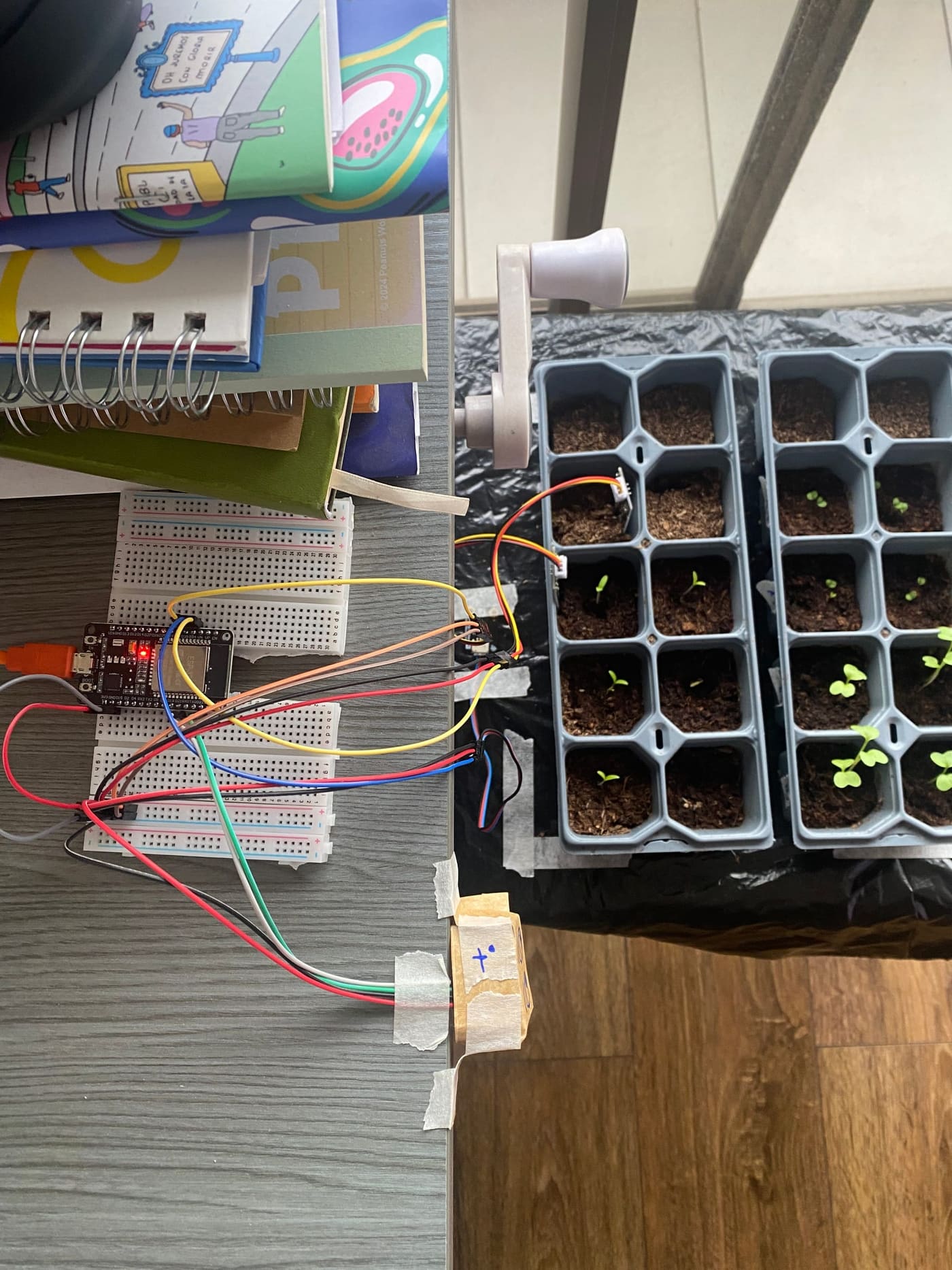
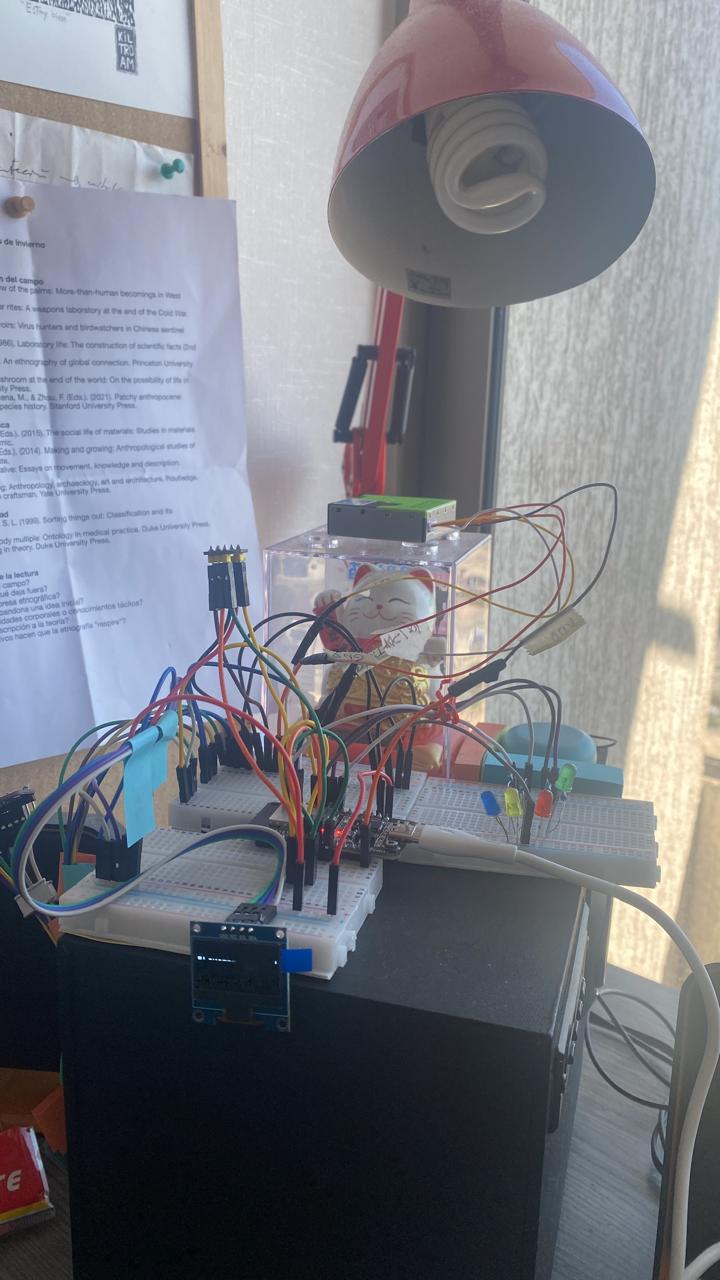
Viejito-Perro began during the holidays following my candidacy examination. I wanted to put my computing skills into practice and enjoy learning something new, so I decided to repurpose an old laptop as a home server. I first installed services that could be useful within the household, then added development boards and environmental sensors. As the system began to record and compare what was happening in different parts of the home, questions emerged that had not been fully formulated at the outset.
The project became a way of exploring a concern that had arisen during the first year of my PhD: the gap between lived experience and measured data. Models, averages and representations allow us to know the world, while also potentially distancing us from its sensory experience.
Viejito-Perro traces how an environmental variation becomes a signal, a datum, a comparison and an interpretation. Measurements are not treated as transparent representations. They depend on where sensors are placed, on technical decisions and on the everyday practices through which they acquire context.
The project does not seek to resolve the distance between knowing and inhabiting. It explores whether an infrastructure for measurement can heighten attention to the environment, while also asking how that infrastructure might technologise or simplify our experience of it.
Relationship to my trajectory
From observing mediations to building them
The project extends several practices from my anthropological training: situated observation, archive building, attention to events and failures, and the reflexive examination of instruments, data and infrastructures. My additional training enabled me to bring these concerns into the construction and testing of a material system.
Viejito-Perro is an independent project developed during my PhD. It shares with my doctoral research an interest in instruments and in translations between matter and information, but it is not part of the thesis’s ethnographic field and does not constitute one of its findings.
An old computer takes on a new form
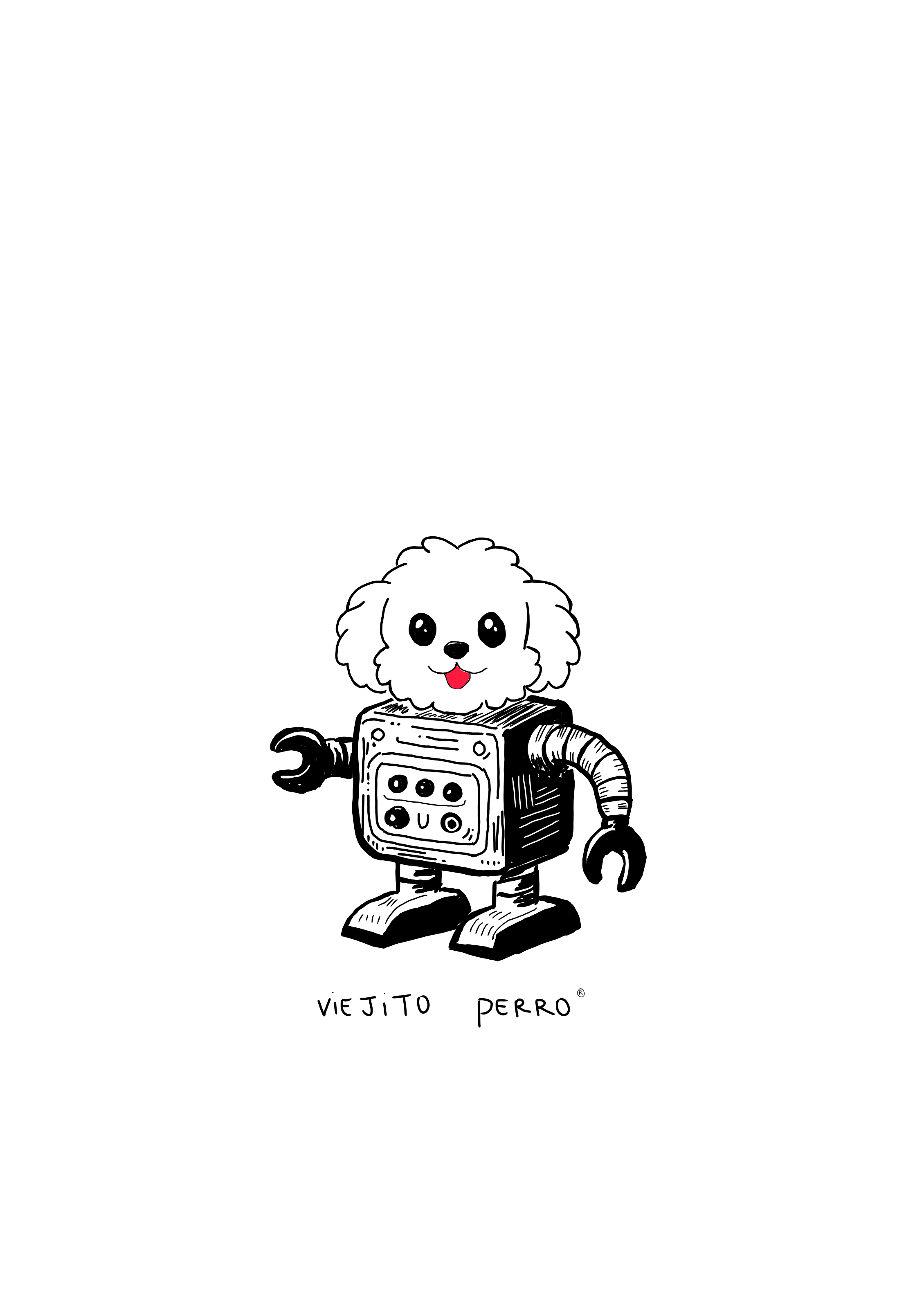
The computer that gave rise to the project was passed on to me after many years of use. When I received it to play and experiment with, its age brought to mind the saying “you can’t teach an old dog new tricks”.
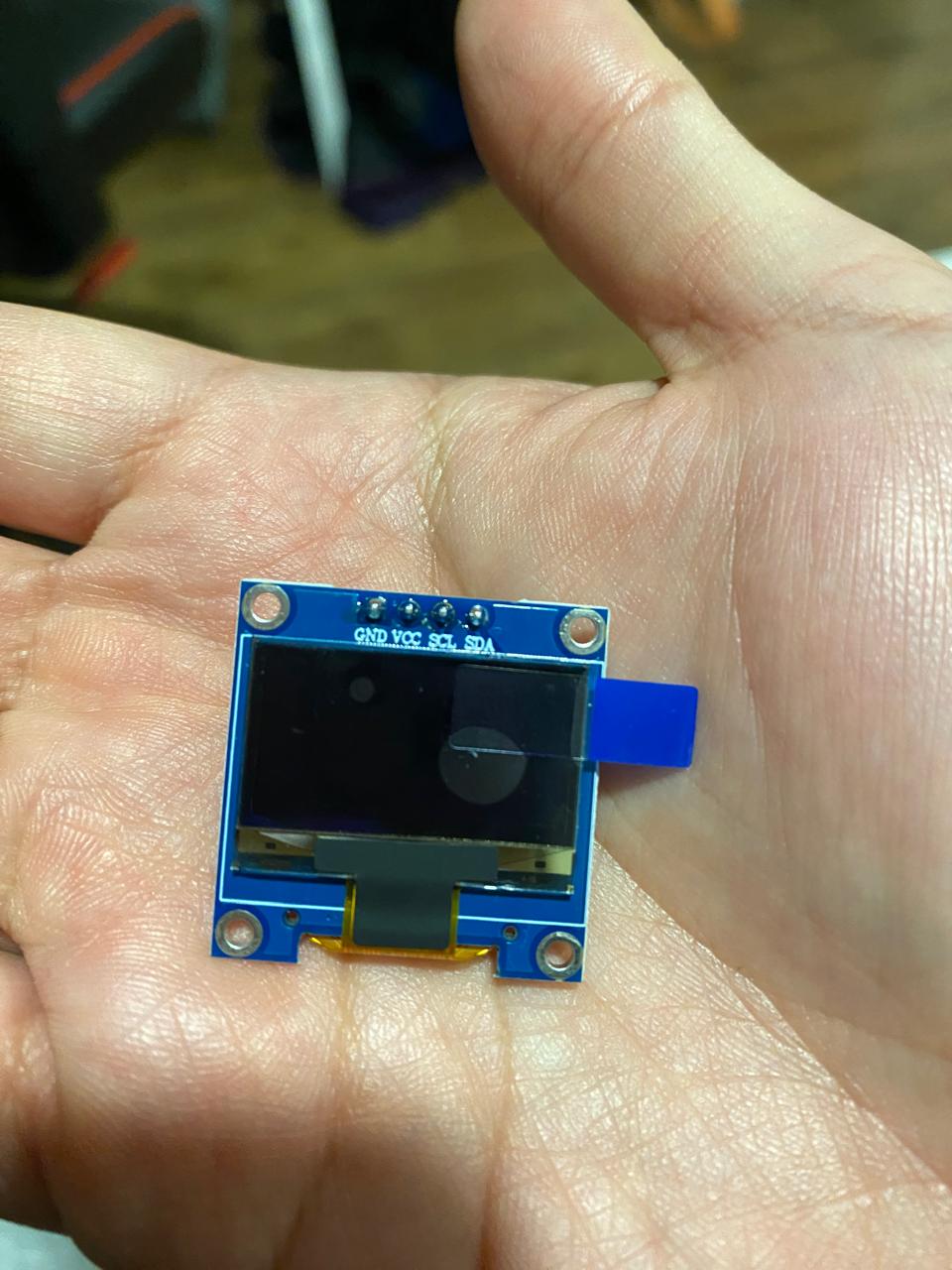
The name acknowledges the time, care and affection invested in extending its life by giving it new capabilities. Several decisions, including its lighting behaviours and the character incorporated into the screen, arose from a desire to share the project’s development with others in an approachable way.
Acto de Amor thus names a way of building grounded in care, reuse and the involvement of others.
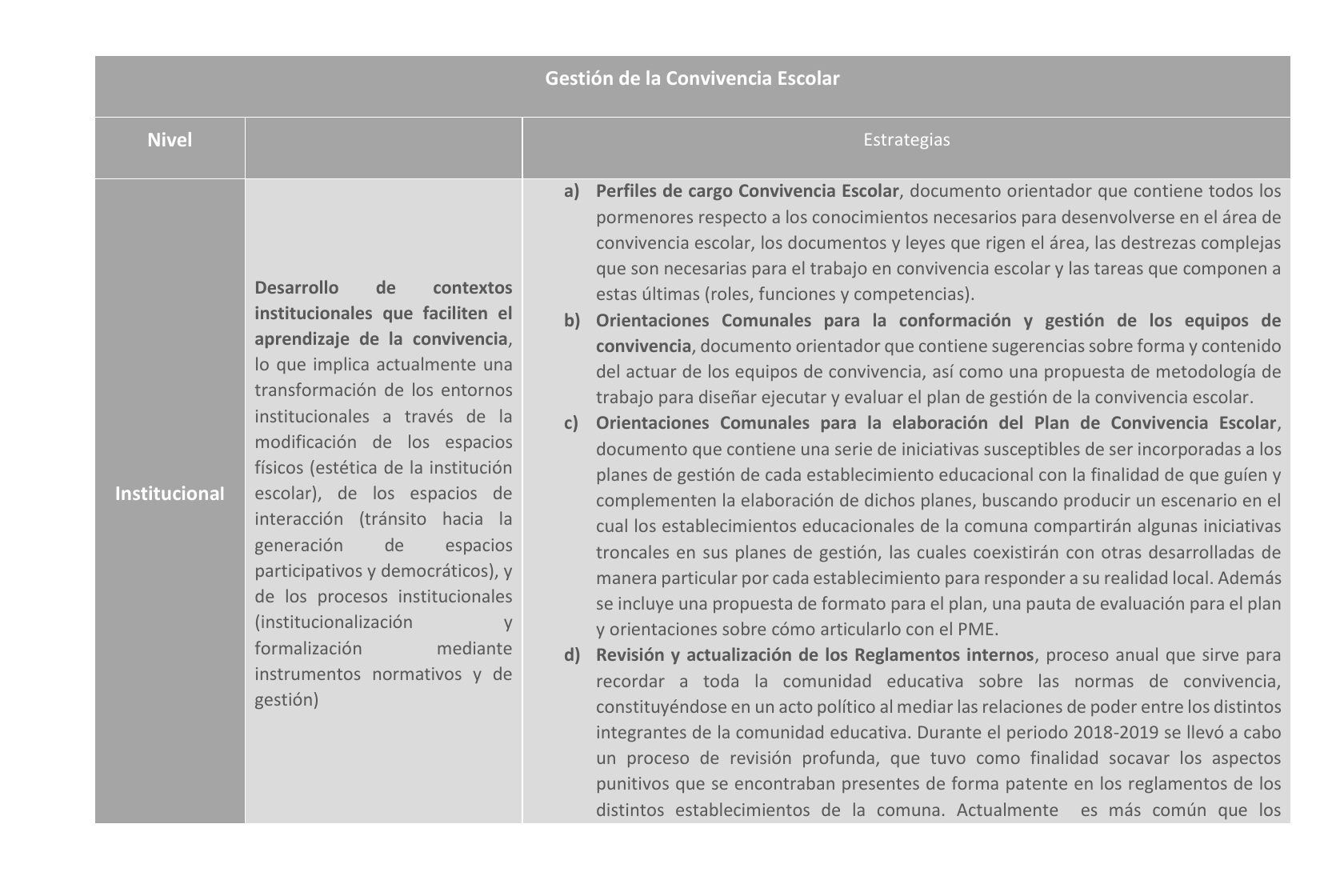
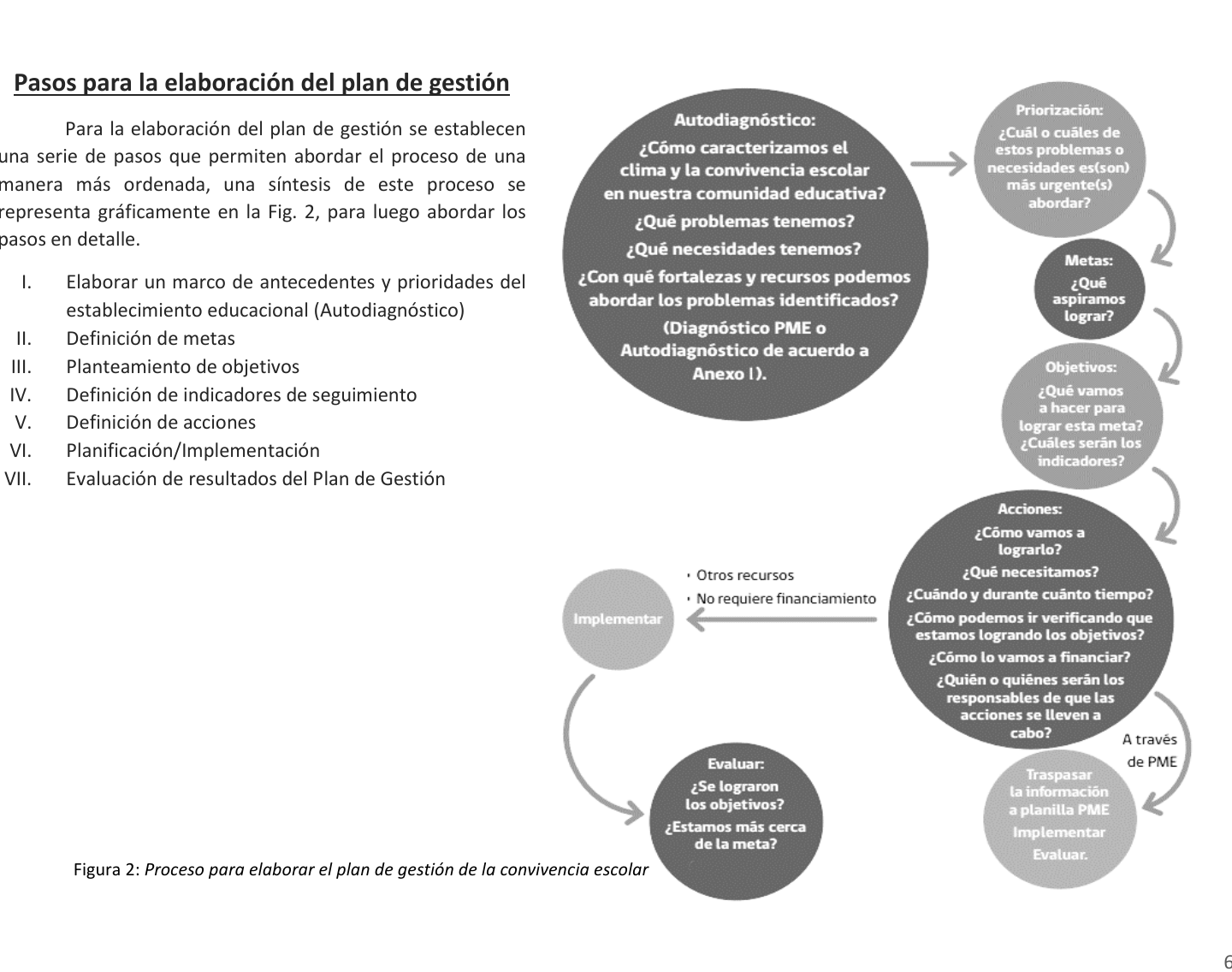
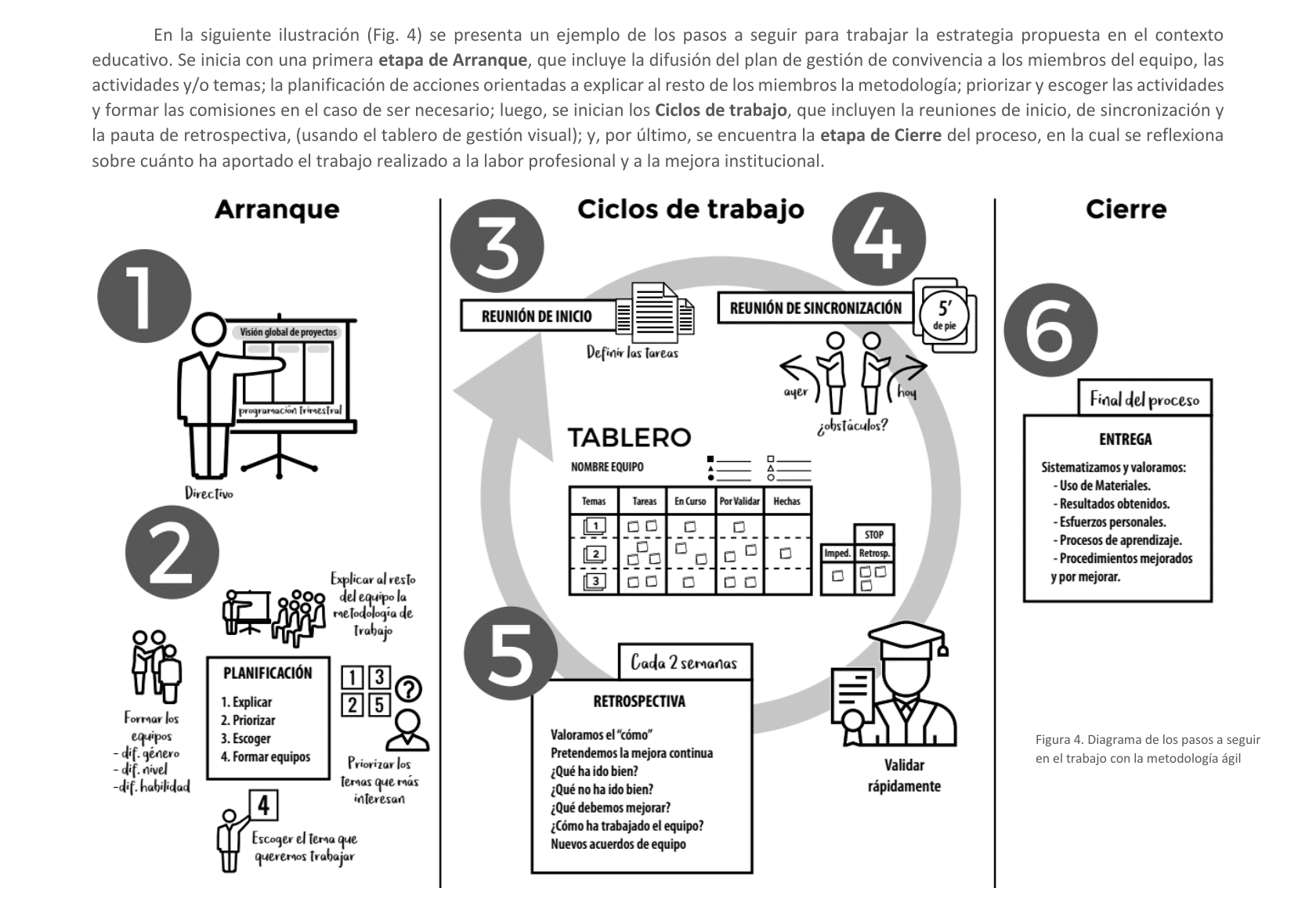
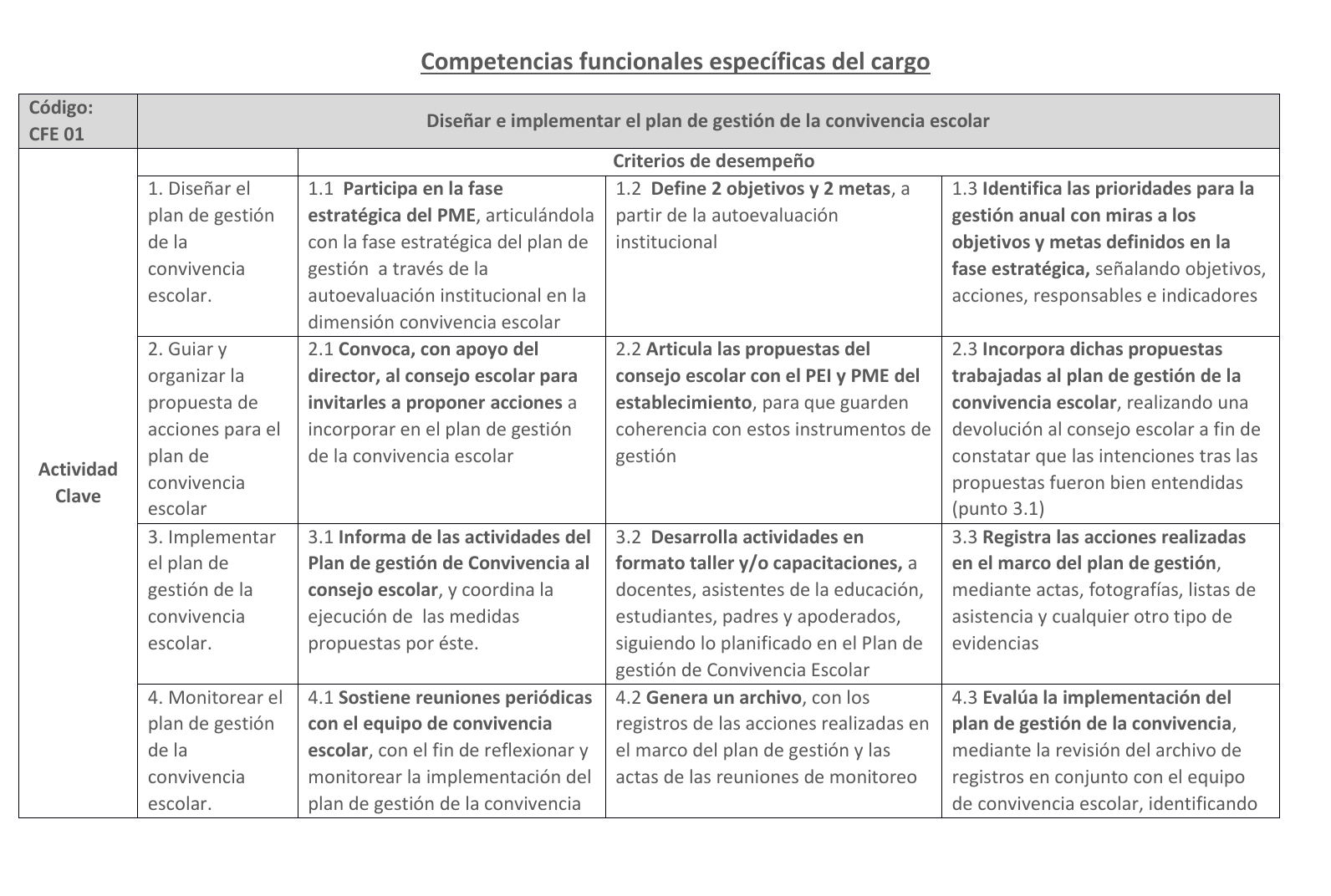
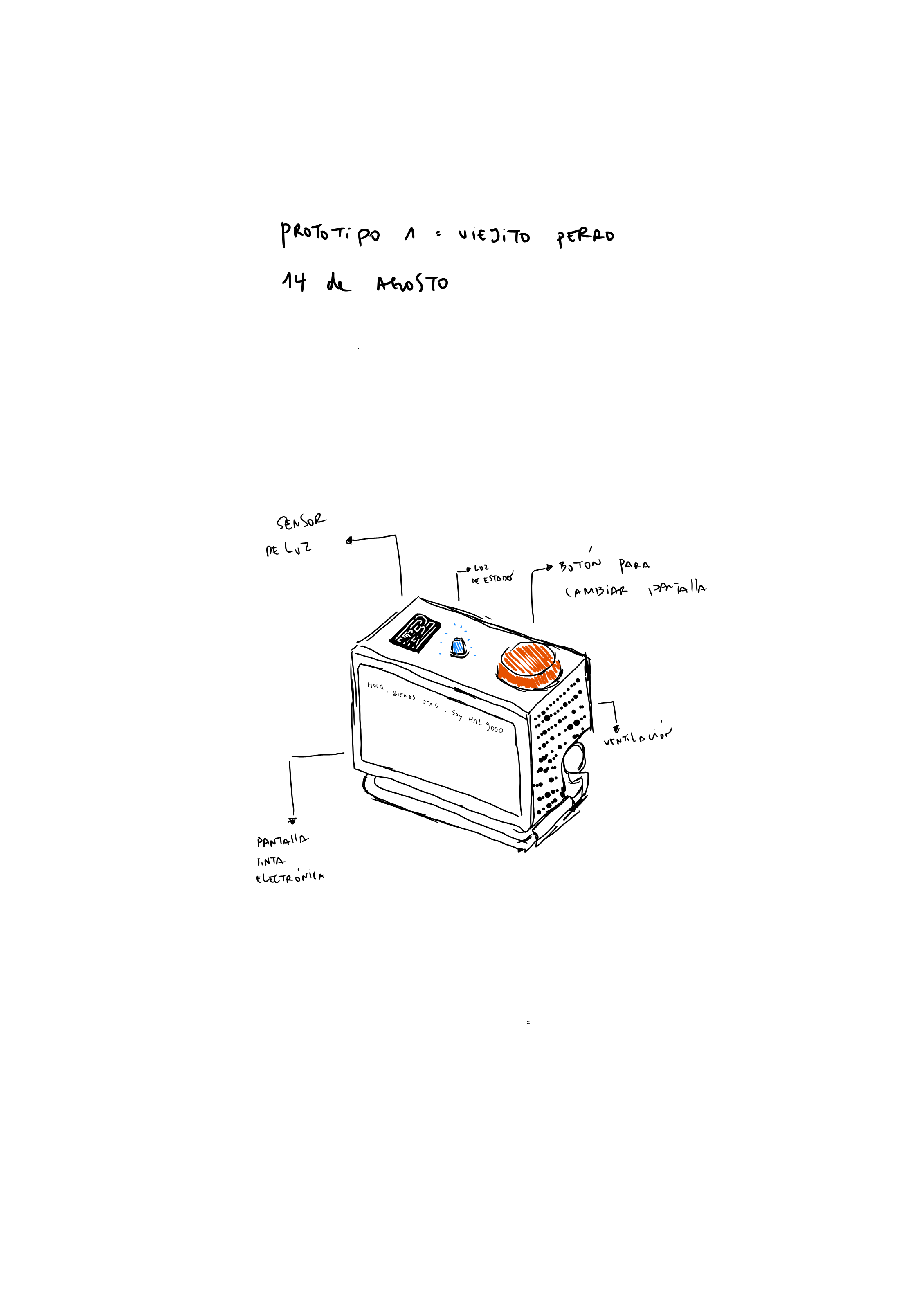
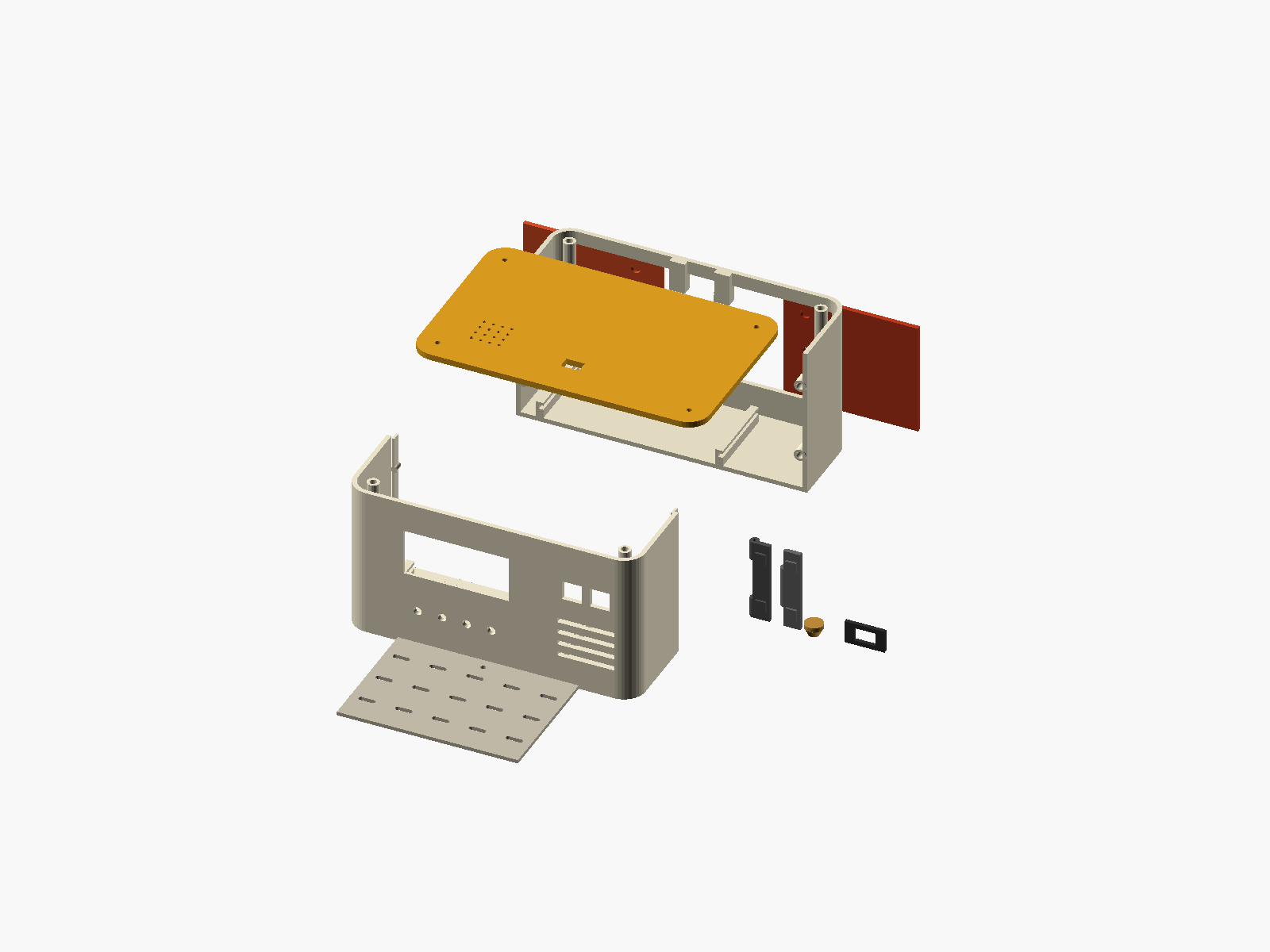
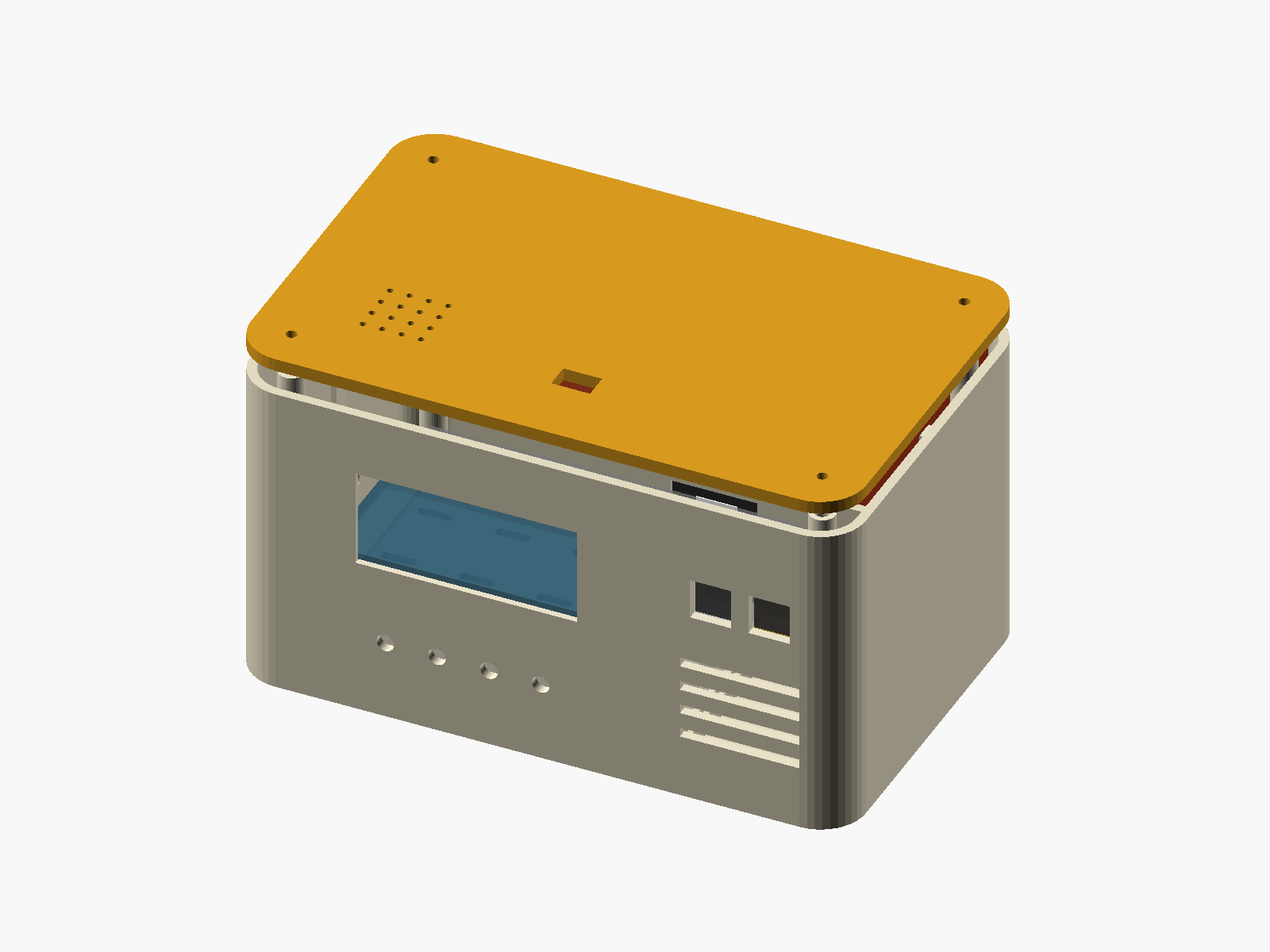
Drawing on the illustration and the first sketch, I developed a parametric casing model for node 02 in OpenSCAD. Its first physical print will make it possible to test dimensions, ventilation, access to components and the strength of the assembly.
How it works
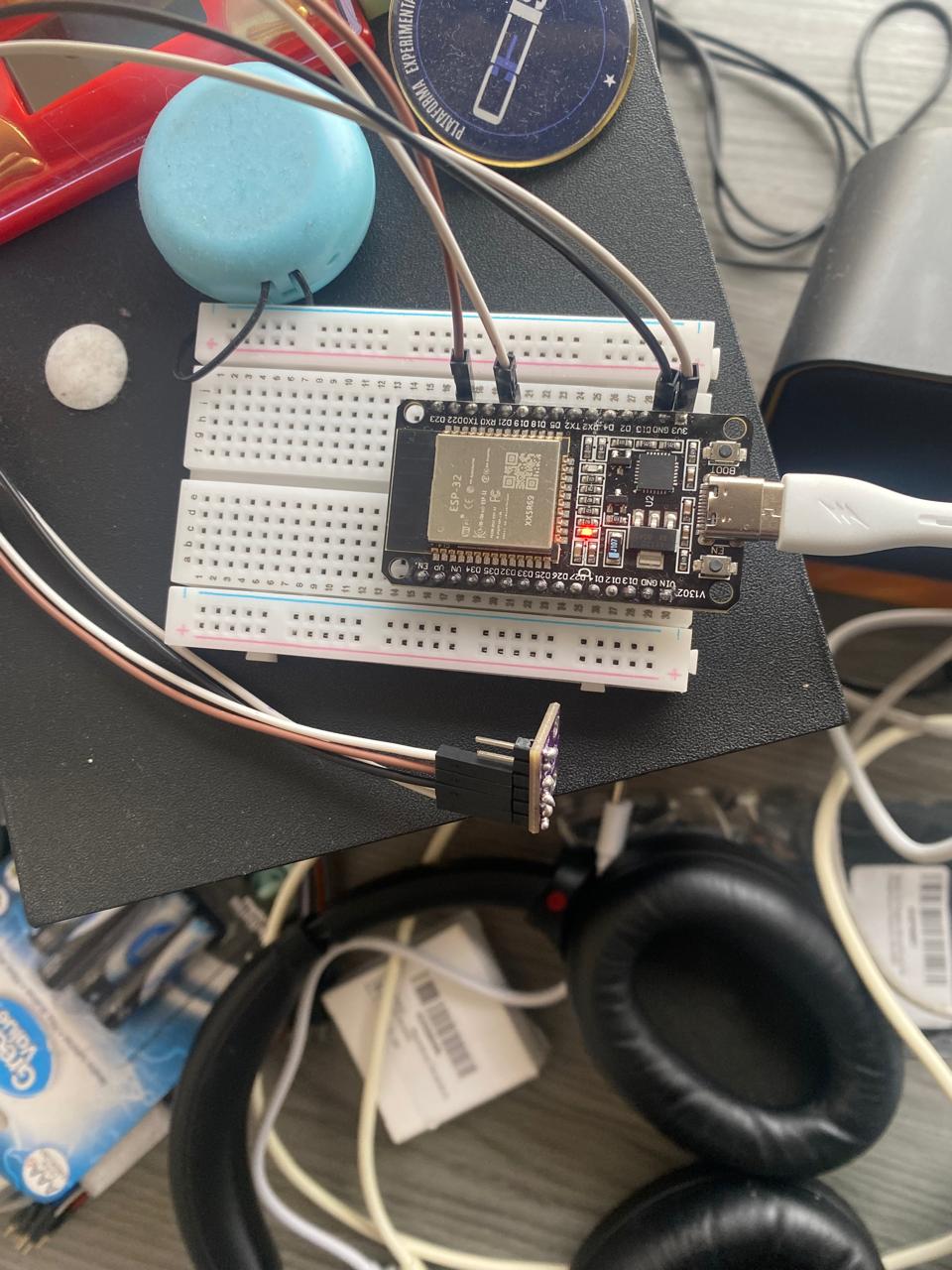
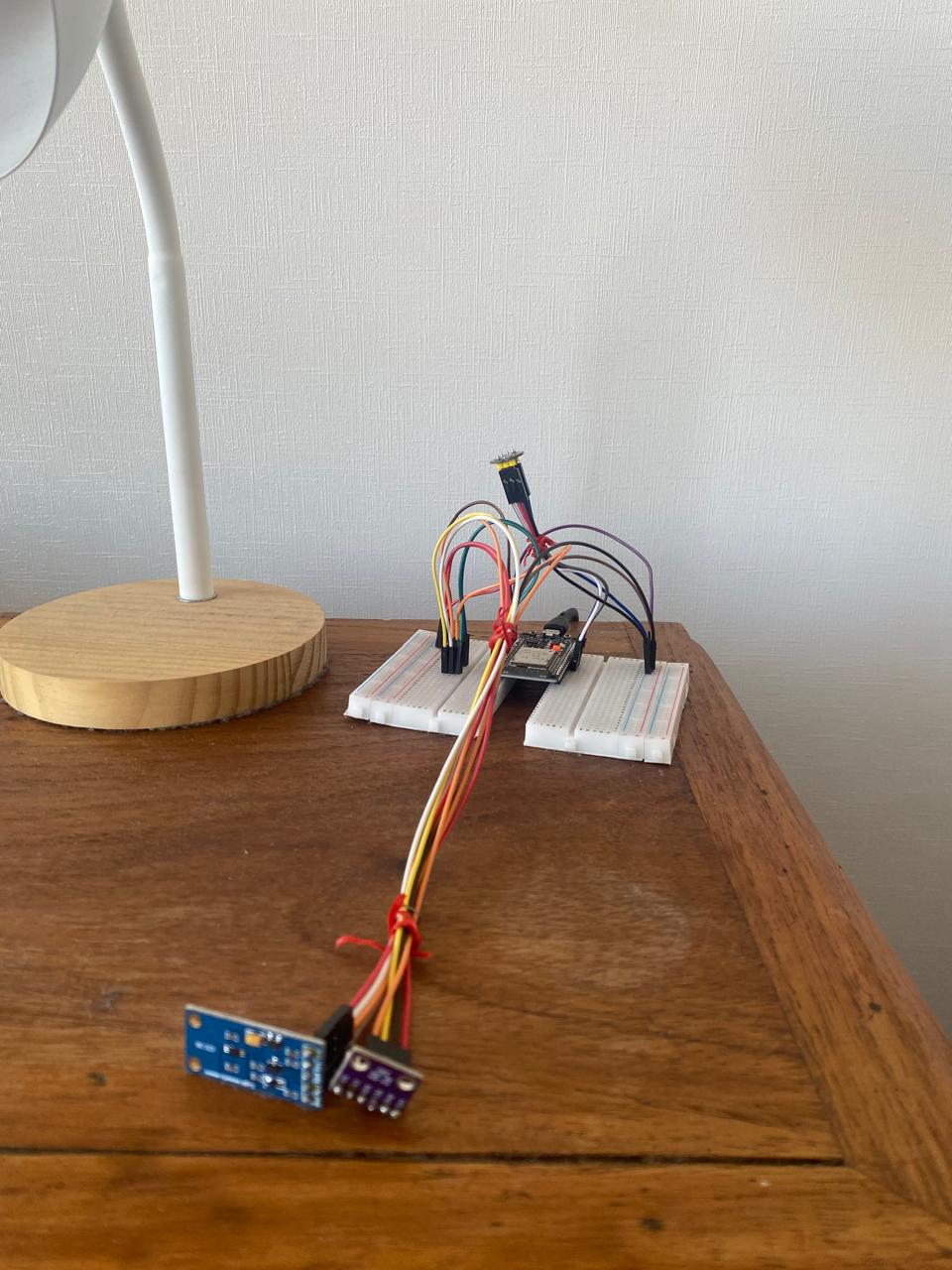
The sensors record selected variations in the living room and bedroom. Two nodes gather the readings and send them to a local server, where they are stored and compared. A screen, lights and graphical interfaces express some of the relationships among them.
- The environment varies
- The sensors record
- Nodes gather and transmit
- The local server stores and compares
- Interfaces express relationships
At each step, a variation within the home is transformed: first into a signal, then into a record, a comparison and a form of expression.
Domestic infrastructure
A repurposed computer acts as a server. Two nodes connected to the local network gather and transmit readings from the living room and bedroom.
Environmental records
The system records temperature, humidity, pressure and light levels. Particle readings and acoustic activity remain experimental.
Acoustic activity is converted locally into relative indicators: no audio recordings are transmitted or stored.
Archive and comparison
Measurements are stored within the home to build a historical archive, compare rooms and relate them to outdoor reference data.
A form that emerges through building
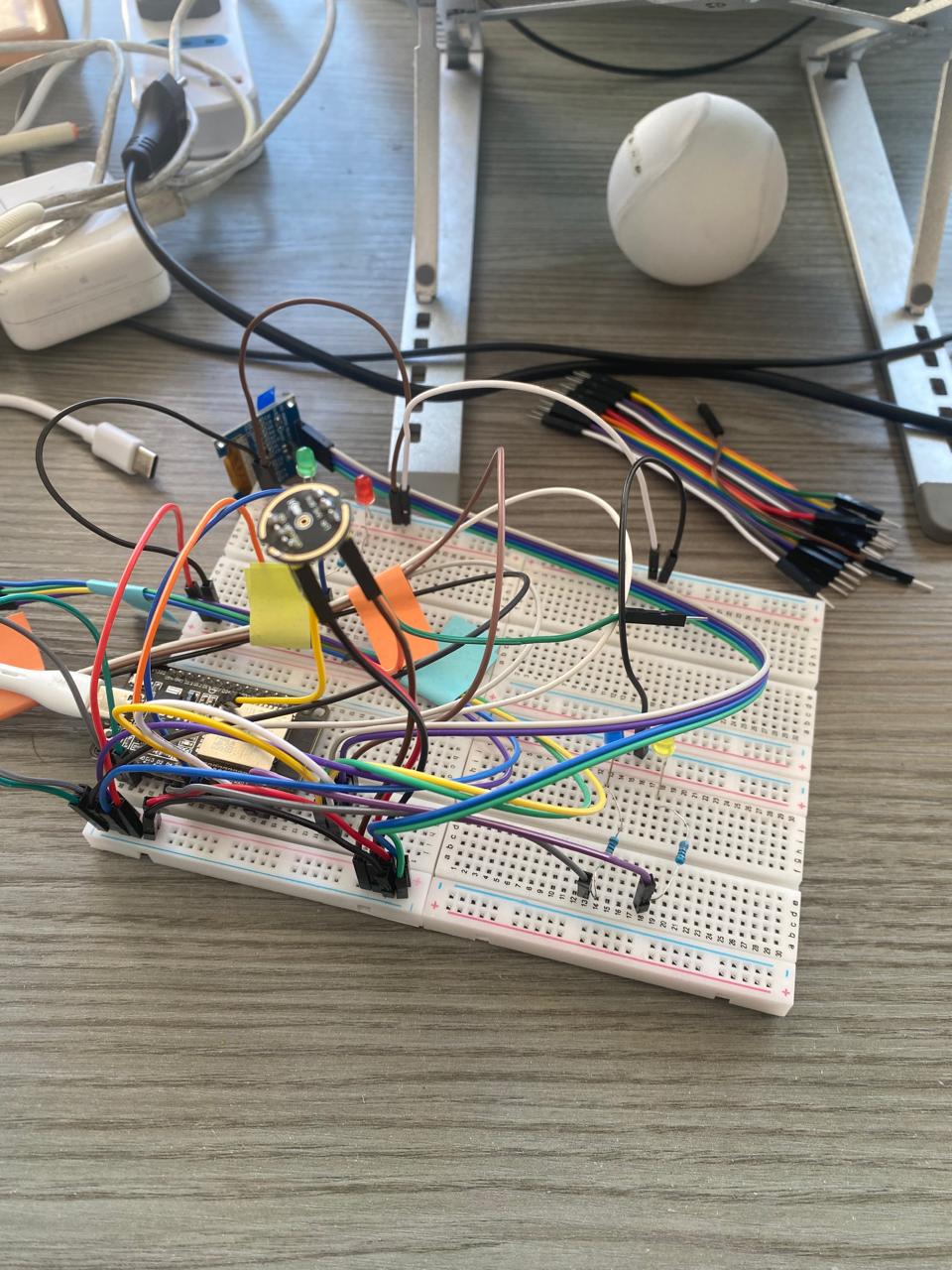
Viejito-Perro was not designed all at once. Its form has emerged through successive additions, tests, failures and new questions. Each added capacity—to record, compare, store or express—changes the system and brings different aspects of the home into view.
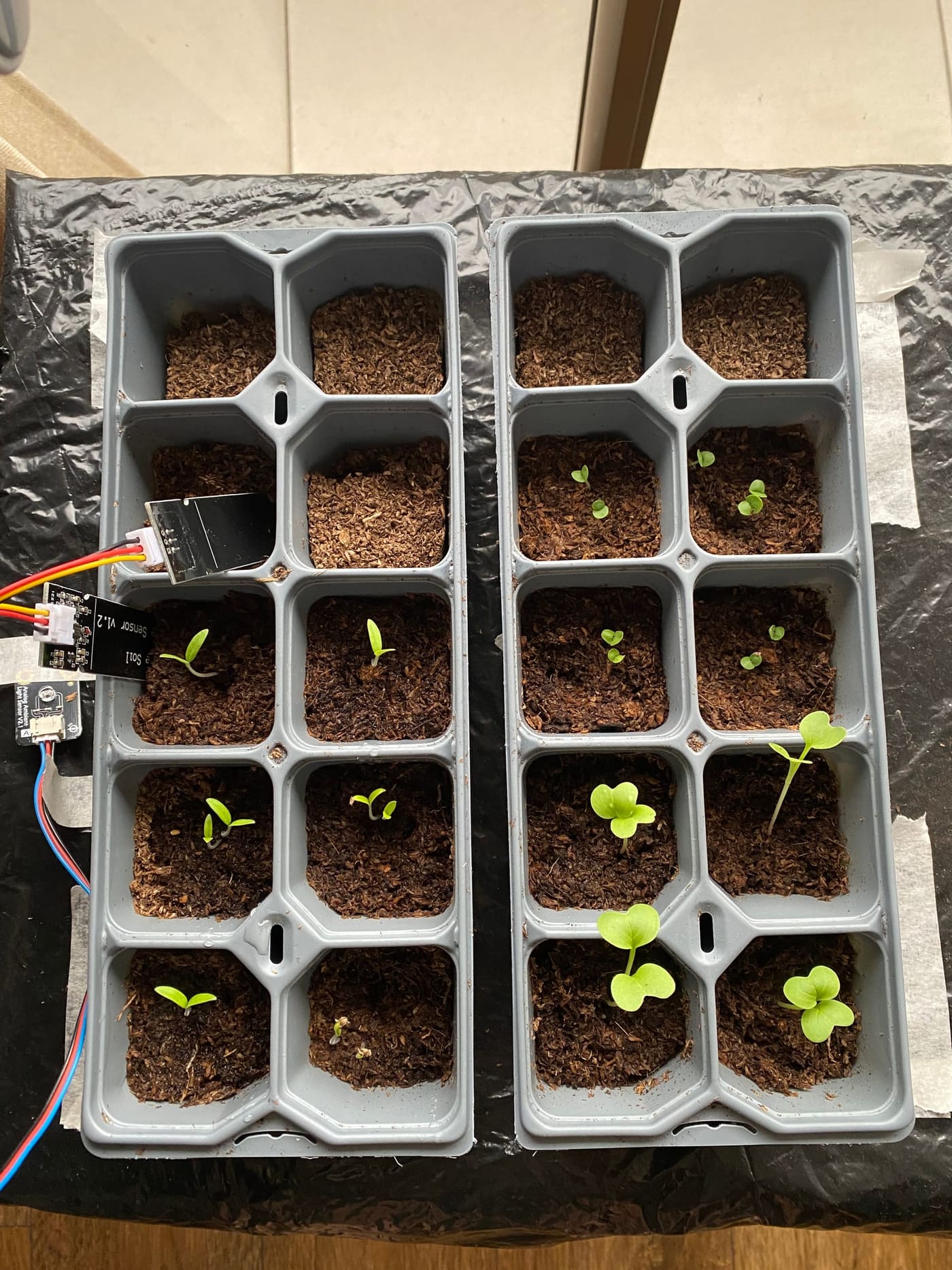
Failures also create opportunities for learning. A sensor that stops responding, a reading affected by the device’s position or an inadequate outdoor comparison reveals the conditions required to produce and interpret data.
What the archive began to reveal
The accumulated archive showed that the nodes do not simply describe a living room and a bedroom. Each records a specific material position shaped by light, proximity to windows, air circulation, everyday activities and the assembly itself.
Environmental cycles
They appear in daily patterns of light, warming and cooling.
Domestic rhythms
They become visible through recurring differences in acoustic activity, temperature and humidity.
Brief events
Cooking or ventilation can produce marked variations that disappear when data are summarised as hourly averages.
These differences do not automatically reveal what happened. An increase in humidity does not in itself indicate a shower, and silence does not prove that a room is empty. Interpreting the measurements requires relating them to observations, notes and situated knowledge of the home.
Interfaces in operation
Status and limits
Viejito-Perro is operational, but it is neither a finished product nor a calibrated scientific instrument. The system makes it possible to observe partial relationships and formulate questions; it does not provide a complete or neutral representation of the environment.
- Readings depend on location and mounting.
- Acoustic indicators are not equivalent to measurements calibrated in decibels.
- The outdoor references are regional and modelled.
- Interpretations of domestic activities remain contextualised hypotheses.
Open lines
- Evaluate and adjust the first casing currently being printed.
- Install and calibrate LD2410C presence sensors on both nodes to distinguish more clearly among presence, movement and absence.
- Investigate forms of autonomous communication between them.
- Develop visual, sonic and historical ways of engaging with the records.
Authorship and collaborations
My work
I defined the project’s concept and principles, reconditioned and managed the server, selected and assembled the components, carried out the physical tests, designed behaviours and interfaces, contextualised the measurements, and directed the project’s development and documentation.
AI assistance
Some code, configurations and documentation were developed iteratively with assistance from AI tools, under my direction, review and testing on the physical system.
Constanza Tizzoni
The original drawing of the character and the first visual explorations of its casing were created by Constanza Tizzoni. The screen bitmap and subsequent 3D models derive from that drawing and are published with her permission.
Nicolás Müller
He has been my main technical interlocutor in the laboratory. We have spoken frequently about sensors, connections, electronics and fabrication. He has helped me solve assembly and soldering problems, reviewed the casing model, and provided access to the laboratory’s 3D printer, which we are currently using to produce its first physical version.
Alejandro Bustos
He has contributed through conversations about the project’s direction and possibilities. Drawing on his experience with electronics, he has helped me clarify decisions and open up new lines of exploration. He also gave me a sensor that has not yet been incorporated into the system.